40 Jahre Heliski-Erlebnisse – eine persönliche Reise durch vier Jahrzehnte Powder
Von Kenny Prevost
War Heliskiing früher wirklich besser?
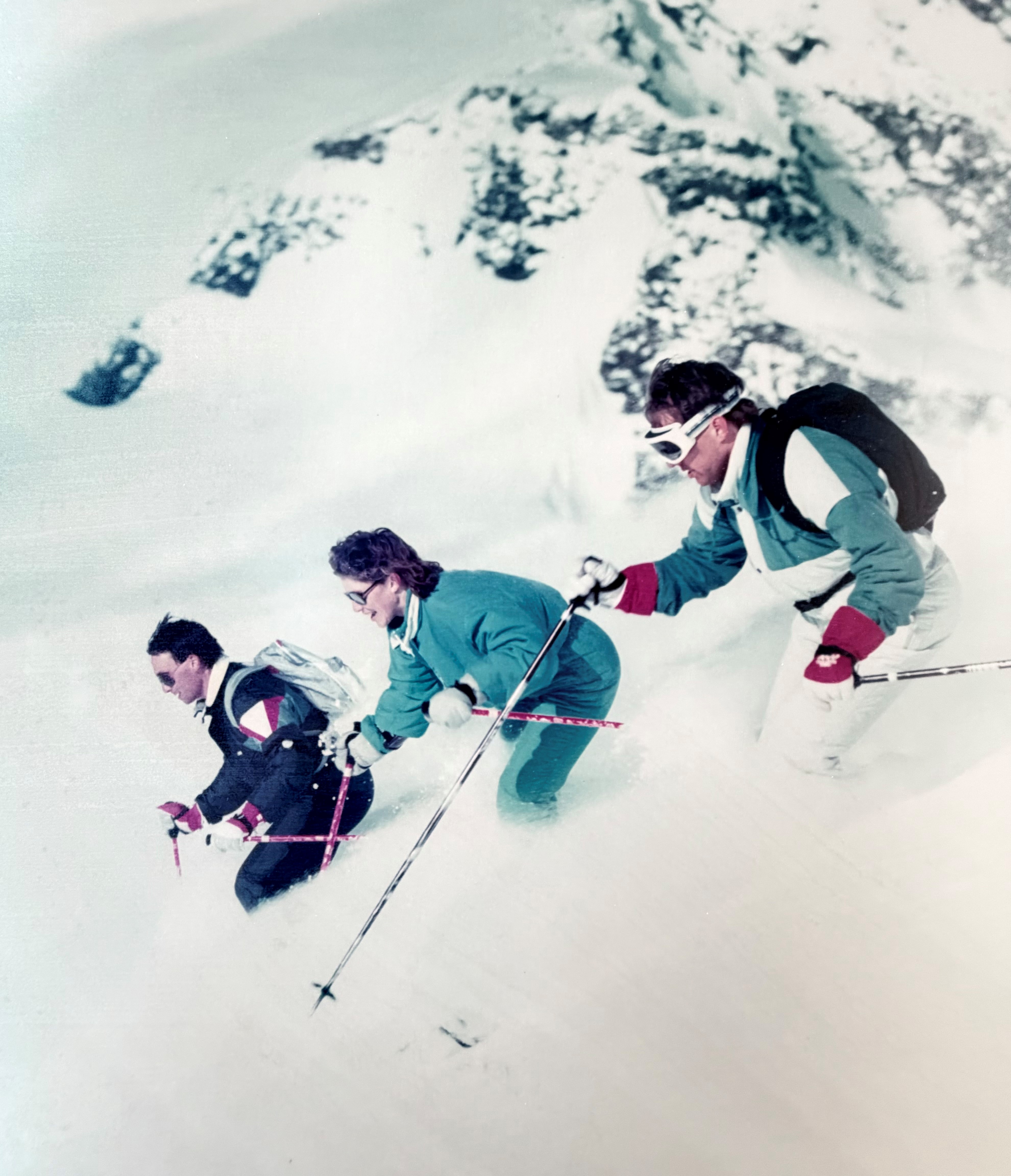
Vielleicht. Vielleicht aber auch nicht. DieFrage, ob früher alles besser war, wird mir immer wieder gestellt. MeineAntwort überrascht viele: Nein, besser war es nicht – aber anders. Als mich meineerste Heliski-Reise 1986 nach Kanada führte, war Heliskiing noch ein echter Geheimtipp.Ich war voller Vorfreude – und ehrlich gesagt auch voller Respekt. Heliskiingwar damals gefühlt noch ein viel grösseres Abenteuer als heute. In Europa hattenzu dieser Zeit nur wenige überhaupt davon gehört. Es gab kein Internet, keineGPS-Tracker, keine Drohnenaufnahmen und keine Social-Media-Posts. Man wusstenicht genau, was einen erwartete. Genau das machte den Reiz aus. Heute, rund 40Jahre und über 150 persönlich absolvierte Heliski-Reisen später, blicke ich miteinem Lächeln auf diese Zeit zurück. Nicht, weil früher alles besser war,sondern weil ich das Privileg hatte, die Entwicklung dieses faszinierendenSports von Anfang an mitzuerleben.
Die Pionierzeit Damals war Heliskiing eine kleine Welt. Die Lodges waren rustikaler, die Ausrüstung schwerer, die Ski länger und schmaler, und die Sicherheitsstandards waren längst nicht auf dem heutigen Niveau. Airbags? Digitale Wettermodelle? Vieles davon existierte entweder noch gar nicht oder steckte in den Kinderschuhen. Wir fuhren teilweise mit über zwei Meter langen Skiern und glaubten ernsthaft, damit bestens ausgerüstet zu sein. Wer heute einen modernen 115 Millimeter breiten oder gar noch üppigeren Powderski fährt, kann sich kaum vorstellen, wie anspruchsvoll Tiefschnee damals war. Jede Abfahrt war ein kleines Abenteuer – aber auch eine riesige Genugtuung, wenn man sie einigermassen gemeistert hatte.
Weniger Komfort. Mehr Abenteuer. Allein die Anreise nach Kanada in die Heliski-Lodge war schon ein kleines Abenteuer. Es gab keine Smartphones. Zu Hause wusste praktisch niemand, wo wir uns gerade befanden. Die wenigen Fotos, die wir machten, zeigten wir Wochen später stolz Familie und Freunden. Heute landen Videos oft schon während des Aufenthalts auf Social Media – manche posten ihre Hero-Shots, sobald sie nach der letzten Abfahrt des Tages in der Lodge wieder Internetverbindung haben. Damals wurden Erinnerungen nicht in stundenlangen Videos und tausenden Fotos festgehalten; sie brannten sich für immer in unser Gedächtnis ein. Deshalb sind diese Erinnerungen bis heute für uns so lebendig. Komfort und Einzelzimmer spielten eine untergeordnete Rolle – Abenteuer dafür umso mehr!
Die Magie des Unbekannten Was ich manchmal vermisse, ist das Gefühl des Entdeckens. Es gab keine tausend Videos auf YouTube und keine Instagram-Reels, die jede Linie bereits gezeigt hatten. Viele Gebiete waren für uns praktisch unbekannt. Man flog los und wusste lediglich: Da draussen wartet unglaubliches Gelände auf uns. Diese Spannung war einzigartig.
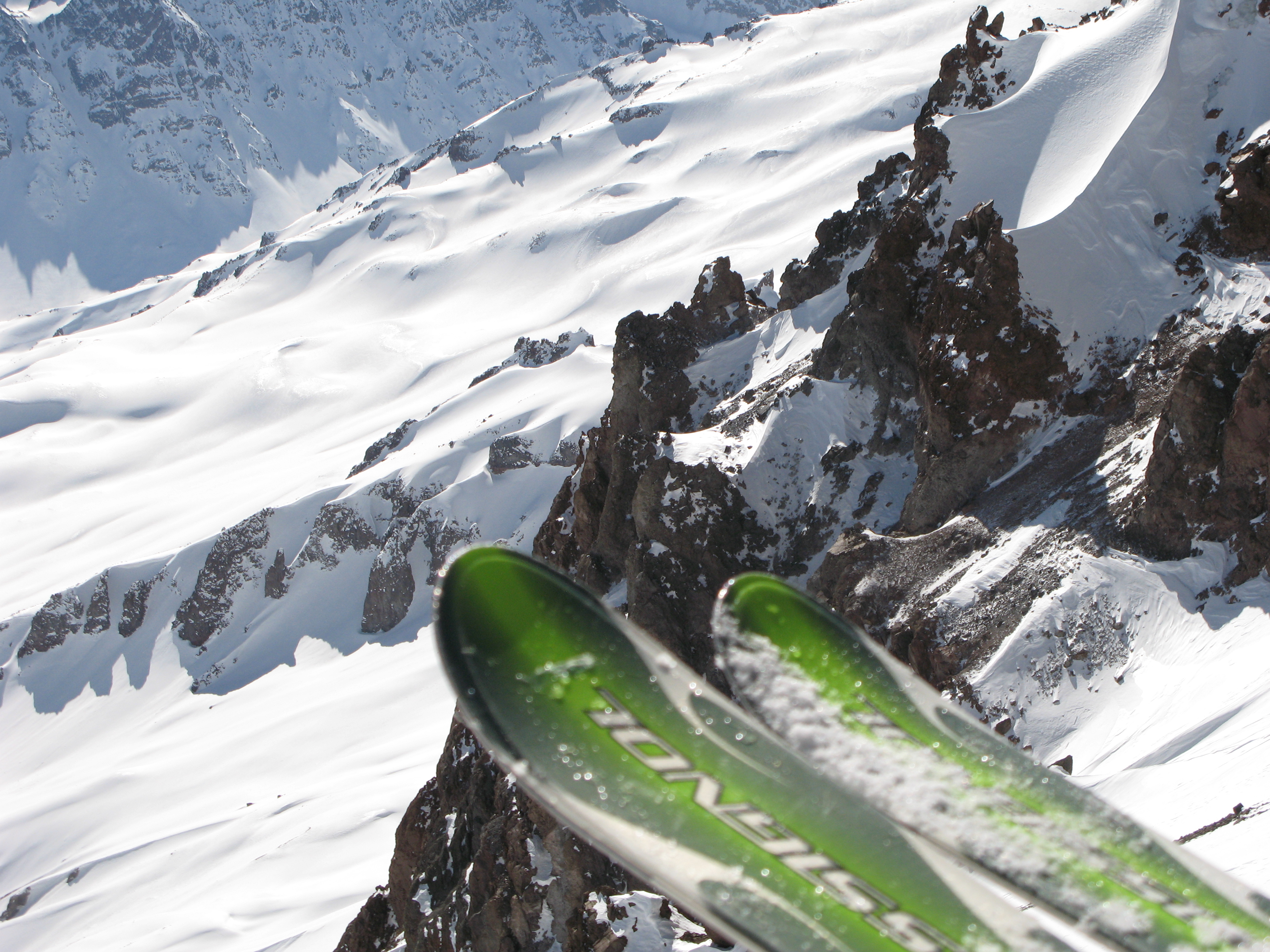
Das Material hat den Sport revolutioniert Was sich enorm verbessert hat, ist das Equipment. Das steht für mich ausser Frage. Heute ist Heliskiing besser – und sicherer. Moderne Bindungen, funktionelle Bekleidung, Helme, digitale LVS-Geräte, Lawinen-Airbags und vor allem breite Ski haben den Sport verändert. Für meine erste Heliski-Reise packte ich meine eigenen 203 Zentimeter langen Alpinski ein, die heute als «Spaghetti-Ski» bekannt sind. Heute wirkt das fast absurd. Damals war es völlig normal. Unsere Skitaschen waren fast länger als der Mietwagen, und wir waren überzeugt, perfekt ausgerüstet zu sein. Von Rocker, Carbon oder spielerischem Auftrieb sprach damals niemand. Tiefschnee bedeutete Arbeit – und genau das machte ihn irgendwie auch besonders. Tiefschneefahren war deutlich anstrengender als heute. Und von Snowboards sprachen in den Pionierzeiten dieser Disziplin nur Exoten.
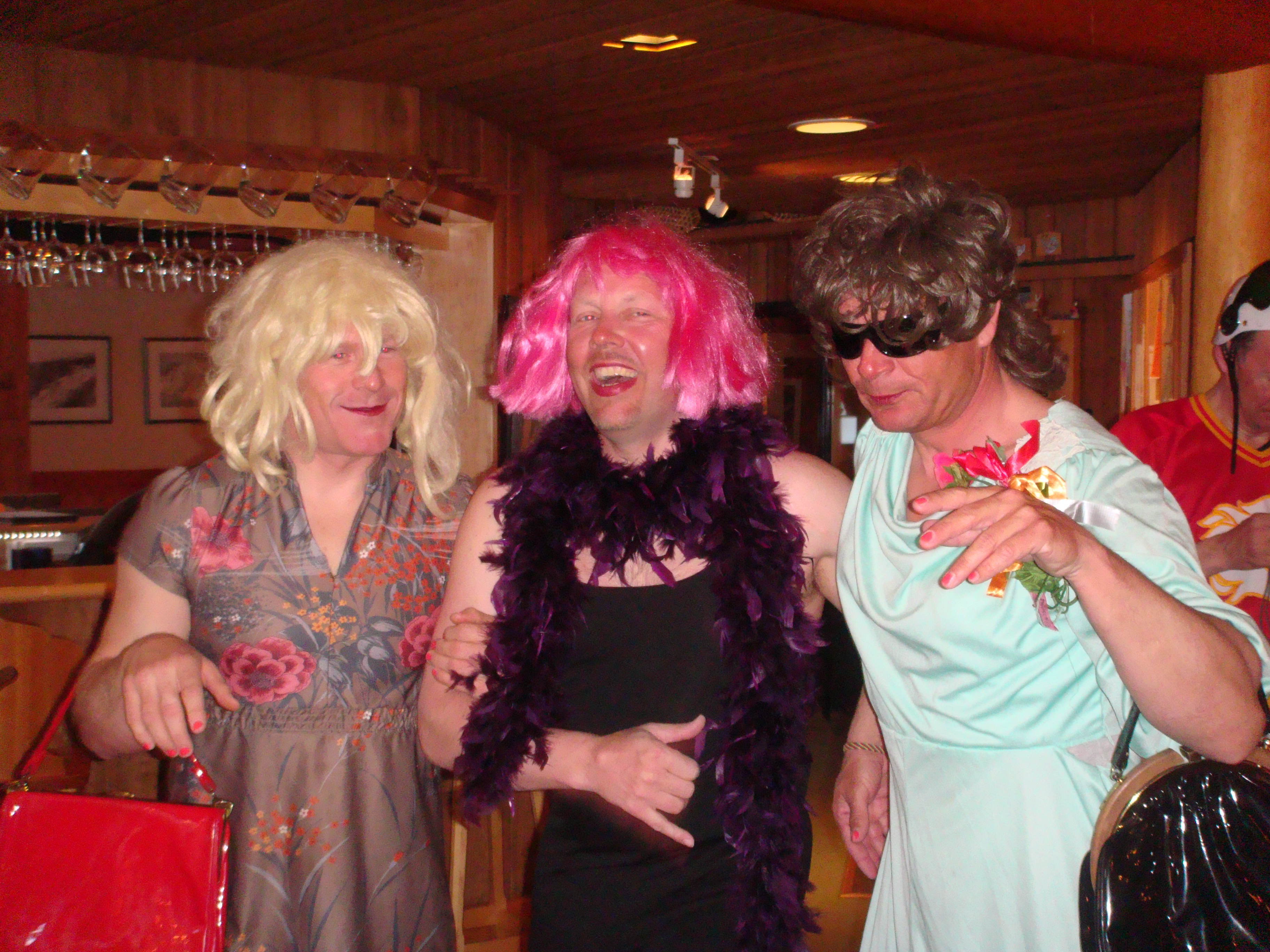
Wie die «Fat Boys» das Heliskiing revolutionierten Die «Fat Boys» machten Geschichte. Ich erinnere mich noch gut an das Jahr 1991. Atomic brachte damals den legendären Fat Boy auf den Markt – einen Ski, der seiner Zeit weit voraus war. In unserer Lodge standen genau drei Paar zur Verfügung. Da die Schneeverhältnisse fordernd waren, gaben wir sie unseren Partnerinnen. Die Kommentare liessen nicht lange auf sich warten: Aus den «Fat Boys» wurden kurzerhand «Fat Mamas». Heute würde man darüber wohl kaum mehr lachen. Am nächsten Morgen war das Lachen allerdings verstummt. Diejenigen, die sich tags zuvor noch lustig gemacht hatten, rangelten sich plötzlich um die «Fat Boys». Schnell hatte jeder erkannt, wie viel einfacher Tiefschneefahren damit wurde. Natürlich liessen wir unseren Frauen den Vortritt – und damit das «Fat-Boys»-Vergnügen. Mir war damals sofort klar: Die «Fat Boys» waren der Beginn einer Revolution im Heliskiing. Ein durchschnittlicher Skifahrer kann heutzutage technisch entspannter und kontrollierter Tiefschnee fahren als viele sehr gute Fahrer vor 40 Jahren. Nicht, weil wir damals schlechter waren, sondern weil das Material unglaublich viel besser geworden ist und man weniger schnell müde wird.
Safety First – damals wie heute
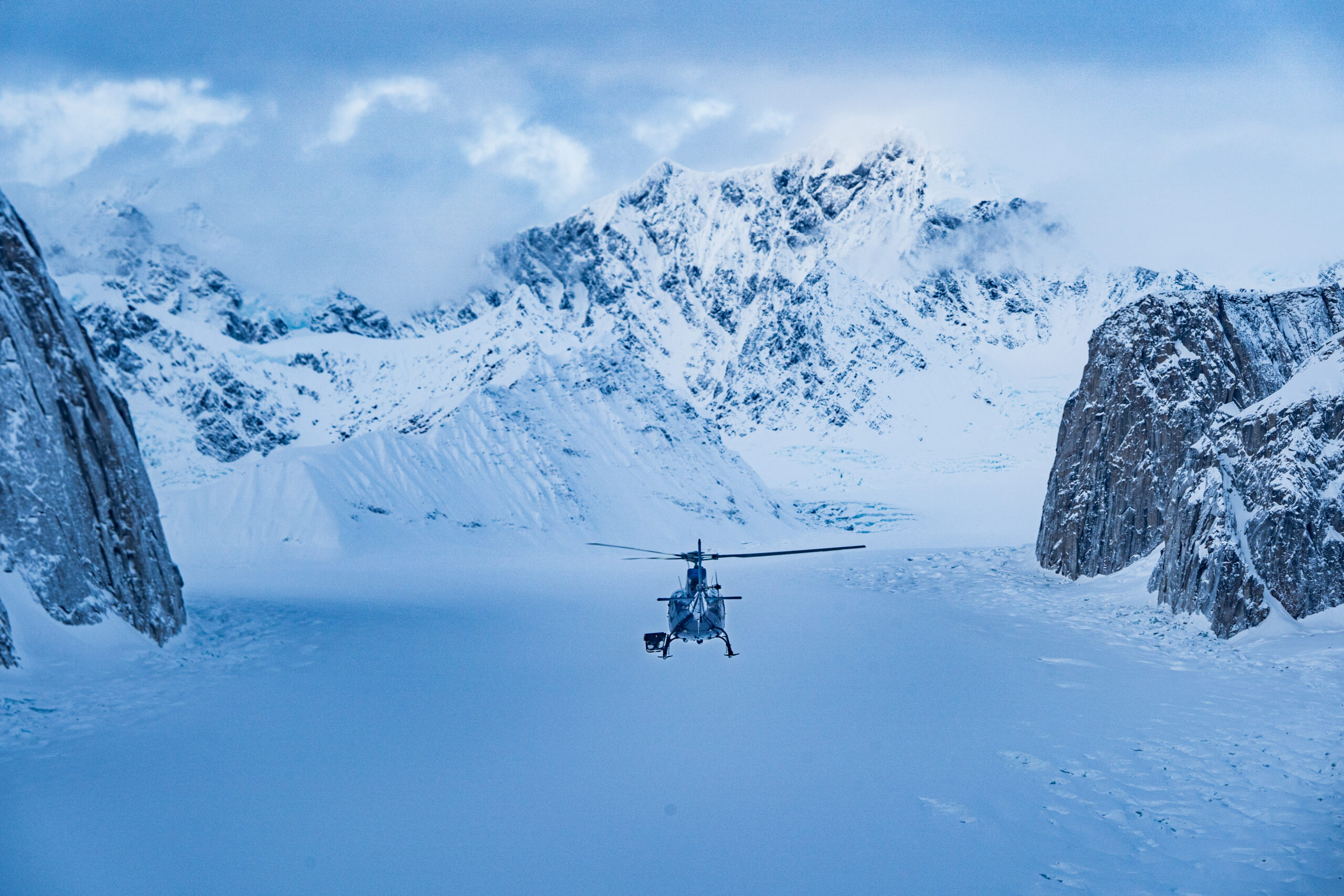
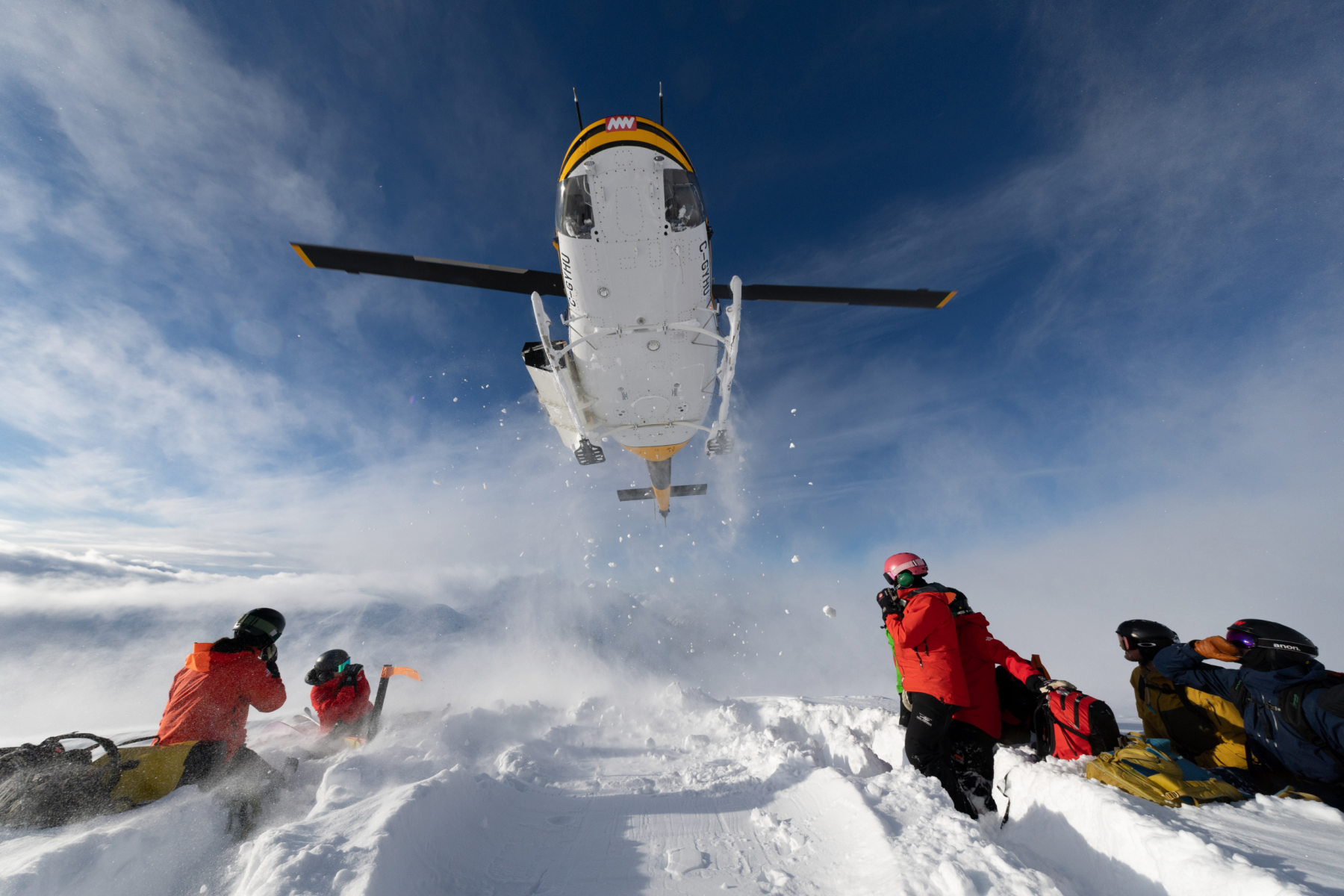
Was viele überrascht:Lawinenverschüttetensuchgerät (LVS), Lawinensonde und Schaufel gehörten bereitsdamals zur obligatorischen Sicherheitsausrüstung. Der grosse Unterschied lagnicht in der Sicherheitsphilosophie, sondern in der Technik. Die Geräte warendeutlich schwerer, einfacher und längst nicht so komfortabel wie heute. Dochprofessionelle Heliski-Anbieter wussten schon damals: Sicherheit ist dieGrundlage unseres Sports. Deshalb haben sie alle Sicherheitsaspekte kontinuierlichverbessert. Der Bell-212-Helikopter ist auch nach 40 Jahren noch immerderselbe, aber die Sicherheitsstandards wurden laufend angepasst. Auch dieKommunikation funktioniert heute besser, Wetterprognosen sind präziser, und dieGuides verfügen über noch mehr Erfahrung und eine noch bessere Ausbildung.
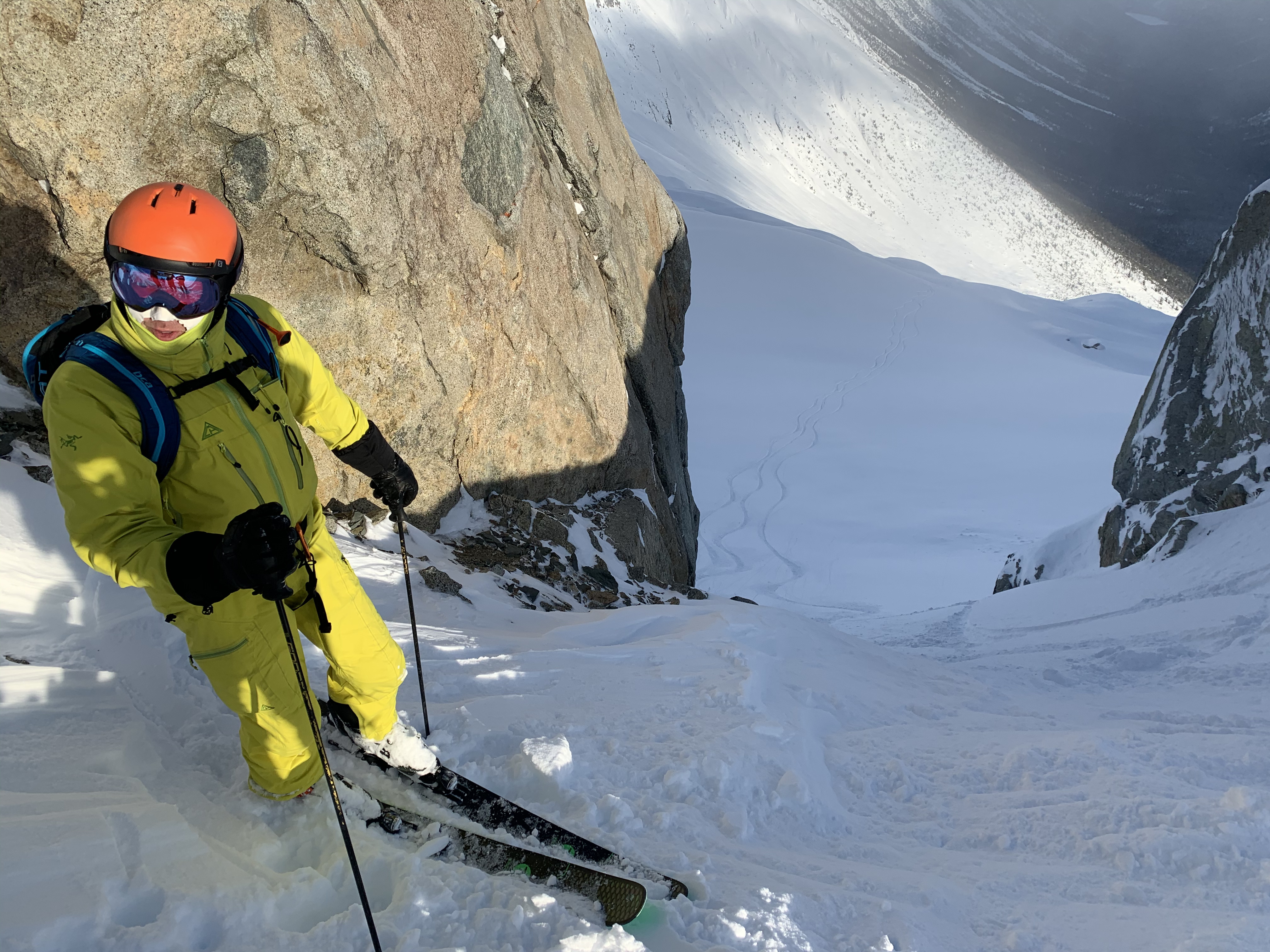
Was sich nie verändert hat Es gibt aber auch Dinge, die seit Jahrzehnten gleich geblieben sind – hier die wichtigsten: • Der magische Moment, wenn sich der Helikopter entfernt. • Die absolute Stille auf einem einsamen Gipfel. • Der erste Blick auf einen unberührten Hang. • Der Blickkontakt mit dem Guide. • Der erste Schwung. • Der «Big Smile» am Ende der Abfahrt. • Es geht nicht um besonders viele Höhenmeter, sondern um unvergessliche Erlebnisse. • Erinnerungen sind langlebiger als Fotos. • Das berauschende Gefühl des schwerelosen Gleitens im Tiefschnee. • Wer einmal Heliskiing erlebt hat, will immer wiederkommen.
Was Heliskiing für mich ausmacht Wenn ich auf mehr als vier Jahrzehnte Heliskiing zurückblicke, denke ich zuerst nicht an Schneemengen oder Rekorde. Ich denke an:
• An wunderbare Menschen, die ich kennenlernen durfte. • An Gäste, die inzwischen seit Jahrzehnten mit mir reisen. • An Guides, die zu Freunden wurden. • An Geschichten, die man nicht planen kann. • An Abende vor dem Cheminée. • An «Blue bird days» auf dem Gletscher. • An Tage mit fast einem Meter Neuschnee. • Und ja – auch an jene Tage, an denen Nebel oder Sturm uns in der Lodge festhielten. Oft entstanden gerade dann die besten Gespräche und die schönsten Erinnerungen.
Was ich manchmal vermisse Es gab damals etwas, das man heute kaum mehr findet: • Das Gefühl des Unbekannten. • Keine Drohnenvideos. • Keine GoPros oder Handys. • Keine Instagram-Reels.
Ist Heliskiing nun also besser geworden? In vielen Bereichen ganz klar: Ja! Auch wenn ein wenig von der ursprünglichen Wildheit und vom Pioniergefühl verloren gegangen ist. Dafür ist Heliskiing heute sicherer, zugänglicher und qualitativ besser als je zuvor. Und das Wichtigste hat sich nicht verändert: Wenn der Helikopter hinter dem Grat verschwindet, plötzlich absolute Stille herrscht und ich den ersten Schwung in unverspurten Pulverschnee setze, schlägt mein Herz noch immer genauso schnell wie 1986. Vielleicht ist genau das das Geheimnis des Heliskiings. Die Technik entwickelt sich. Die Ausrüstung verändert sich. Die Sicherheitsstandards werden immer besser. Das Gefühl, die Leidenschaft und die Faszination aber bleiben. Und genau deshalb werde ich auch nach über 150 Heliski-Reisen nie aufhören, Menschen für diesen aussergewöhnlichen Sport zu begeistern.
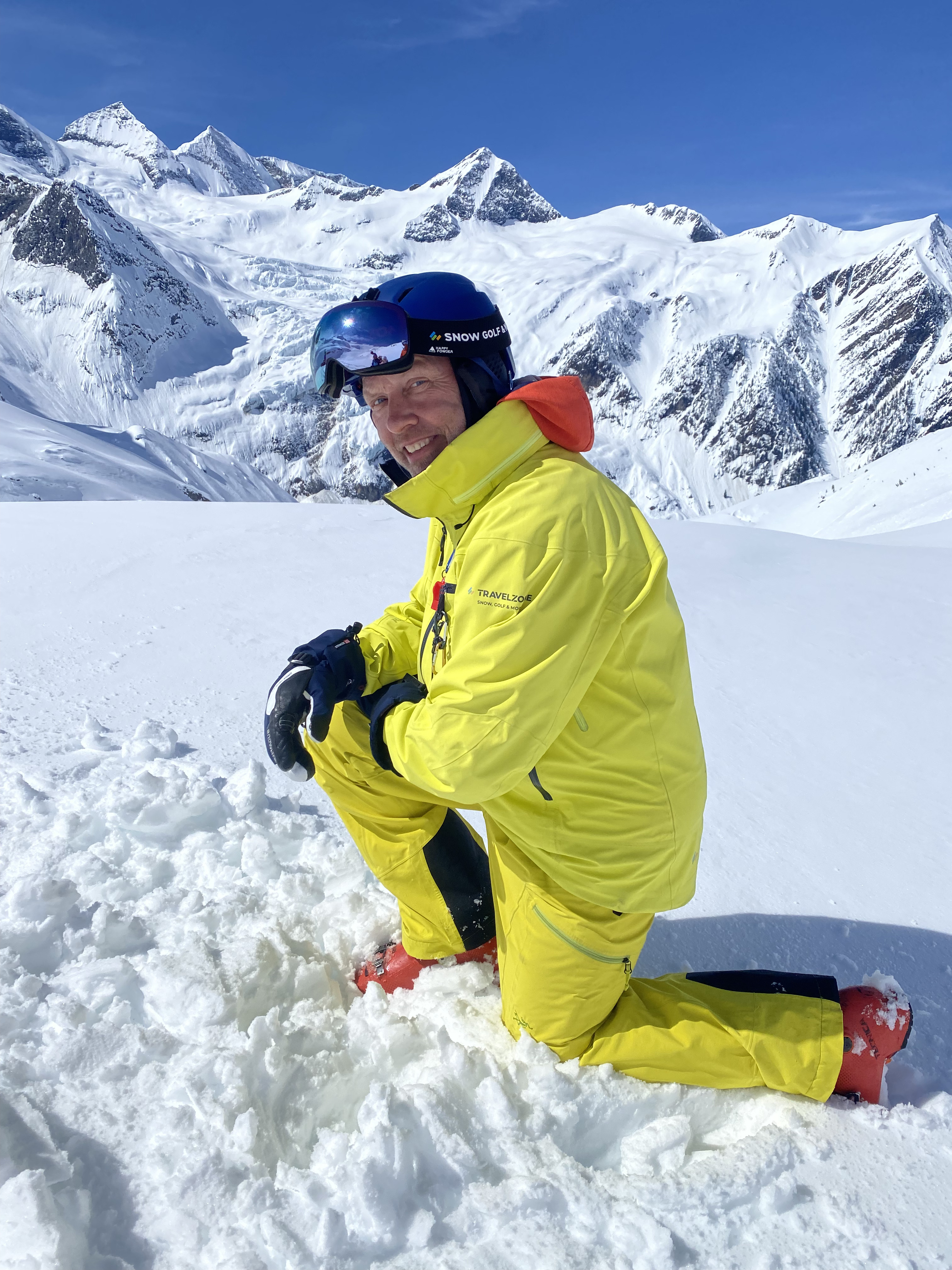
Über den Autor Kenny Prevost beschäftigt sich seit mehr als 40 Jahren mit Heliskiing. Seit seiner ersten Reise im Jahr 1986 hat er mehr als 150 Heliski-Abenteuer persönlich erlebt und über 20 Millionen Vertical Feet (6.1 Mio. Höhenmeter) im Tiefschnee auf allen Kontinenten dieser Welt zurückgelegt. Seine Philosophie ist bis heute unverändert: Kenny empfiehlt mit seinem TRAVELZONE-Team nur Heliski-Erlebnisse, die er selbst kennt und mit voller Überzeugung weiterempfehlen kann.
Stark genug?
Du bist nicht sicher, ob Du stark genug für Heliskiing fährst? Melde dich bei uns. Gerne auch mit einem Video-Check-up. Wir waren mit tausenden Skifahrern beim Heliskiing und kennen alle Gebiete. So können wir mit Dir einschätzen, wo Du am meisten Spass im Powder hast!